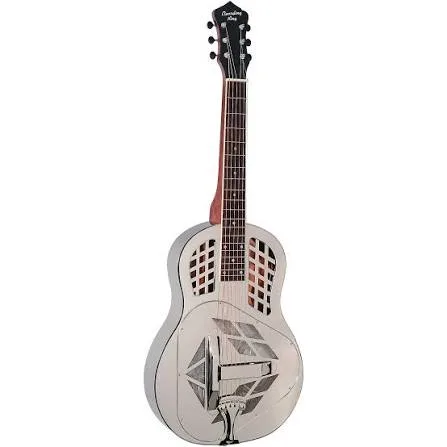
A resonator guitar makes its sound with a spun-metal cone instead of a wooden top — and the one you buy hinges on a single choice: a square neck for the lap-style bluegrass Dobro sound, or a round neck to play it in your hands like a guitar. These are the ones we recommend, and how to pick.
The Sleepy Man team· Editors
Independent gear research
Jul 9, 2026
10 min · 3 resonators
$
Some links are affiliate links — if you buy through them we may earn a small commission. It never costs you more, and it never changes our picks. Our rankings come from researching specs, setup quality and owner feedback, not from hands-on testing.
The short version
For the crying, lap-style bluegrass Dobro sound, buy the square-neck Recording King RM-991 — a spider cone and a true square neck for a fraction of a vintage Dobro. If you want to play it in your hands like a normal guitar, get the round-neck Gretsch G9210 Boxcar instead. Choose your neck type before you spend a penny — the two are not interchangeable.
Best for bluegrass · Recording KingBest all-rounder · Gretsch
We weight playability out of the box, tone, build quality, and value at each price. The most important thing on this page is not a ranking, though — it is the neck type. A square neck is played flat on your lap, fretted with a steel tone bar and fingerpicks: this is the sliding, crying bluegrass Dobro voice, and you cannot fret it like an ordinary guitar. A round neck is played in your hands like a normal guitar, for blues, slide and bottleneck, and is far more versatile for a general player. Cone type matters too — a spider cone gives the classic Dobro/bluegrass tone, while a biscuit cone is bluesier with more bark.
Square-neck or round-neck?
This is the one decision to get right before you buy. A square neck lies flat on your lap and is fretted with a steel tone bar and fingerpicks — it is the only way to get the true, sliding bluegrass Dobro sound, and you cannot play it like a normal guitar in your hands. A round neck is played exactly like an ordinary guitar (or with a bottleneck slide) and is the versatile choice for blues and general playing. They are not interchangeable, so choose which sound you want first, then pick the instrument.
The resonators, ranked
1
Best for bluegrass
Recording King RM-991
Recording King · Square-neck
4.5/5
Editor's score
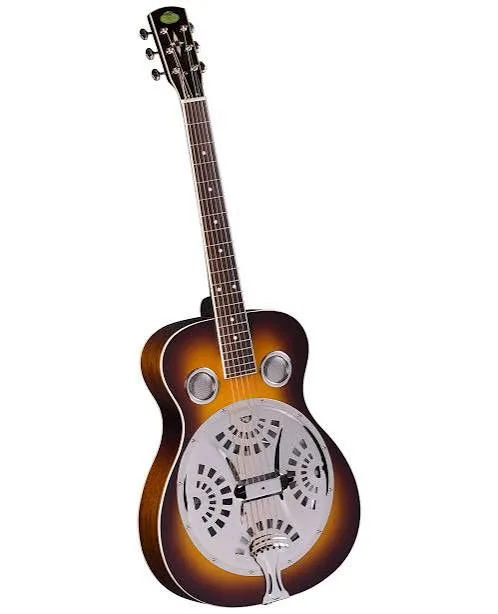
The one we point bluegrass players to. A square neck and a loud spider cone give it a true lap-style Dobro voice for a fraction of a vintage instrument. Set it on your lap, pick up a tone bar, and it sings.
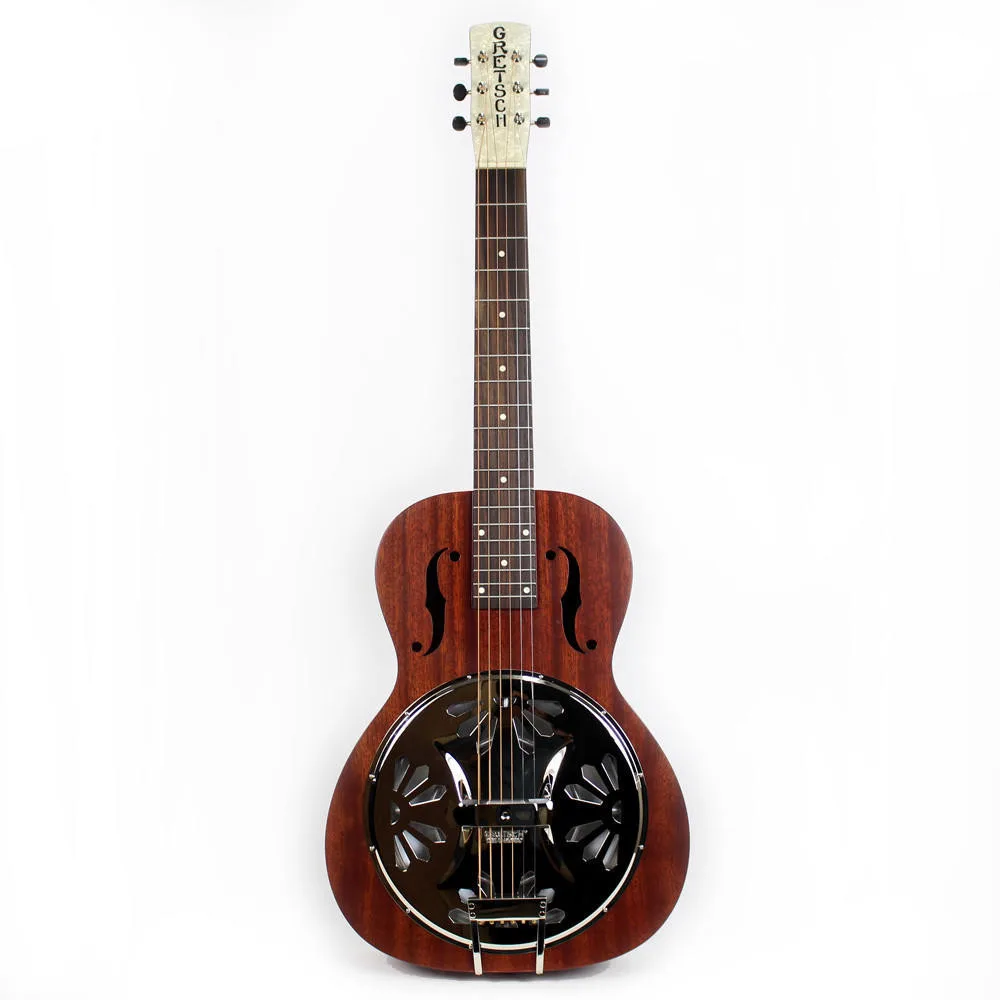
The versatile pick. A round neck means you play it in your hands like a normal guitar — or with a slide — and a punchy biscuit cone gives it real bark. If you want one resonator that spans blues and bluegrass, start here.
The long-trusted budget lap Dobro. A square neck and spider cone put you in true bluegrass territory for less, as long as you are happy to see to the setup. A dependable first square-neck.
They are the same instrument. A resonator guitar makes its sound with a spun-metal cone instead of a wooden top. "Dobro" is technically a brand name, but it is used generically for the wood-body, spider-cone, square-neck sound of bluegrass. So every Dobro is a resonator guitar, but not every resonator guitar is set up for the bluegrass Dobro style.